
In-Depth Guide to How the Refrigerant Transition Affects Your Next AC Purchase
August 17, 2026
How the refrigerant transition affects your next AC purchase comes down to a few straightforward changes every South Florida homeowner should understand before signing off on a new system in 2026.
Here's the quick version:
• New systems no longer use R-410A. As of January 1, 2025, manufacturers stopped producing residential AC equipment using R-410A. All new units now use lower-GWP refrigerants — primarily R-454B or R-32.
• You are not required to replace a working R-410A system. The rules apply to new equipment, not existing installations.
• Servicing your current R-410A system is still legal. R-410A refrigerant remains available, though prices have risen significantly and will continue to climb.
• New A2L systems are designed to be 10–15% more efficient than the R-410A units they replace, which matters a lot in Miami's year-round cooling climate.
• All new equipment includes built-in safety features — like leak detection sensors — specifically engineered for the new refrigerants.
If you are shopping for a new AC right now, every system on the market uses one of these newer refrigerants. If your current system is still running well, there is no emergency. The decision is about timing, cost-effectiveness, and what makes sense for your home.
The EPA's AIM Act set this transition in motion back in 2020, and by June 2026 the shift is fully underway. For homeowners in Kendall, Coral Gables, Cutler Bay, and across the Miami area, understanding what changed — and what did not — is the difference between making a smart, confident purchase and getting pressured into a rushed decision.
The sections below break it all down clearly.
To understand why this change is happening, we have to look at the Global Warming Potential (GWP) of the chemicals that keep our homes cool. For decades, R-410A was the industry standard. While it does not deplete the ozone layer like the older R-22 refrigerant did, it does have a very high GWP of 2,088.
Under the American Innovation and Manufacturing (AIM) Act of 2020, the Environmental Protection Agency (EPA) was directed to phase down the production and import of high-GWP hydrofluorocarbons (HFCs) by 85% by 2036. To meet these targets, the EPA mandated that all new residential air conditioning systems manufactured after January 1, 2025, must use refrigerants with a GWP of 700 or less.
This rule effectively retired R-410A for new equipment, paving the way for a new class of refrigerants known as A2Ls. If you are currently looking for a replacement, finding the right system means looking at these modern, compliant options. You can read more about selecting the right setup in our guide on how to Find an Efficient Air Conditioning Replacement.
The transition has rolled out in stages, and as of mid-2026, we are in the final phases of the physical inventory shift:
• January 1, 2025: Manufacturers officially ceased production of residential R-410A air conditioning systems.
• January 1, 2026: The grace period for installing pre-existing inventory of R-410A systems ended. Today, any new central air conditioning system installed in your home must be an A2L-compliant system.
• The Phase-Down Impact: In 2026, the production of virgin R-410A refrigerant has been cut by 40%. While there is still a supply allocated for servicing older systems, the shrinking supply has caused prices to climb.
This timeline means that if you live in Coral Gables, Pinecrest, or Palmetto Bay, you can no longer opt to install a brand-new R-410A system. The market has fully transitioned to R-454B and R-32. This shift directly influences efficiency standards and equipment design, which we explain in detail in our article on What is SEER2 and Why it Impacts Your Next AC Replacement.
When you begin shopping for a new air conditioner in 2026, you will notice that the equipment on the market is fundamentally different from what was available a few years ago. Because A2L refrigerants operate under different physical properties, they cannot be mixed with R-410A, and they cannot be used to "retrofit" an older outdoor condenser.
This means your next purchase will be a completely redesigned, future-proof system. The indoor evaporator coil, the outdoor condenser, and the copper line sets connecting them are engineered to handle the exact pressures and thermal properties of either R-454B or R-32. Additionally, buying a modern system ensures that you will not face refrigerant scarcity issues down the road when your system requires routine maintenance or repairs. If you want to dive deeper into making a smart investment, check out our insights on how to Focus on Efficiency with Your AC Replacement.
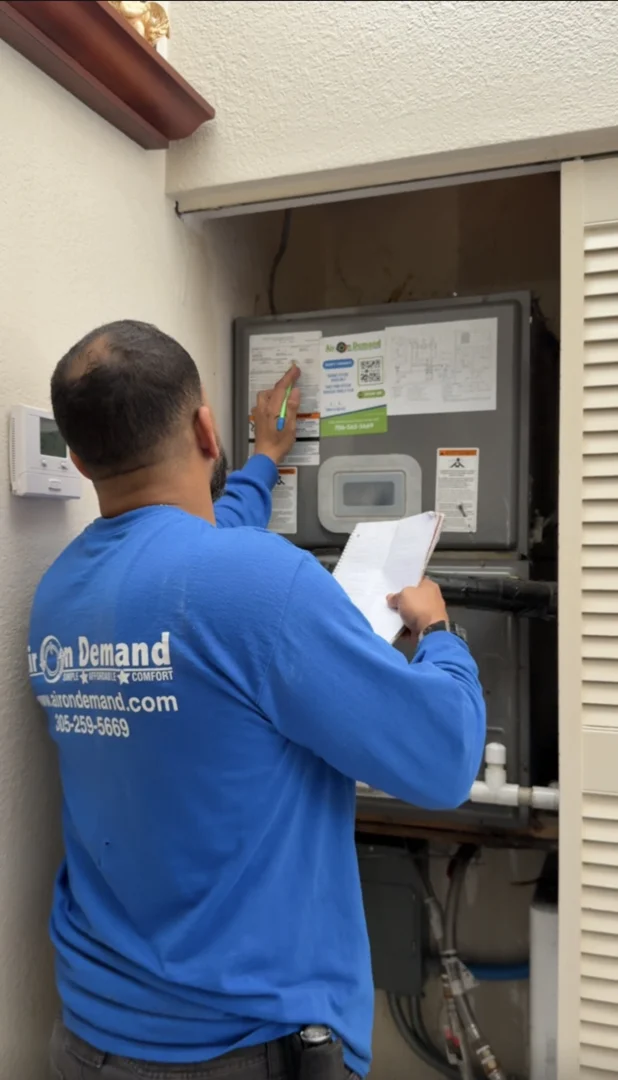
The move away from R-410A is a massive step forward for environmental sustainability. The new refrigerants, R-454B and R-32, carry the ASHRAE safety classification of A2L.
To put this in perspective, let’s look at how these three refrigerants stack up against each other:
• R-410A — Safety Classification: A1 (Non-Flammable) — Global Warming Potential (GWP): 2,088 — GWP Reduction vs. R-410A: Baseline — Composition: Blend (R-32 / R-125)
• R-32 — Safety Classification: A2L (Mildly Flammable) — Global Warming Potential (GWP): 675 — GWP Reduction vs. R-410A: ~68% Reduction — Composition: Pure Single-Component
• R-454B — Safety Classification: A2L (Mildly Flammable) — Global Warming Potential (GWP): 466 — GWP Reduction vs. R-410A: ~78% Reduction — Composition: Blend (R-32 / R-1234yf)
The "A" in A2L stands for non-toxic, meaning these gases are just as safe for humans as the older R-410A. The "2L" indicates that they are mildly flammable.
While the word "flammable" can sound alarming, A2L refrigerants are incredibly difficult to ignite. They require a high-energy direct ignition source (like an open flame) and a highly concentrated, stagnant mixture in the air to catch fire. They also burn exceptionally slowly—often described as a lazy, self-extinguishing flame that moves slower than a gentle walk. In fact, these same low-GWP refrigerants have been used safely for years in millions of automotive air conditioners and household refrigerators worldwide.
To ensure absolute safety in residential applications, manufacturers have integrated advanced safety components into all A2L air conditioning units.
If you install a new A2L system in your Country Walk or Lakes By the Bay home, the indoor air handler will feature a built-in Refrigerant Detection System (RDS). This system includes:
• Highly Sensitive Leak Sensors: Constantly monitoring the air inside the cabinet for any trace of refrigerant.
• Mitigation Boards: A specialized control board that takes immediate action if a leak is detected.
• Blower Activation: If a leak is sensed, the system automatically shuts down the outdoor compressor to stop the flow of refrigerant and turns the indoor blower fan on to its maximum speed. This rapidly circulates the air, diluting the refrigerant safely throughout the home so it can never reach a concentration level capable of igniting.
These extra layers of protection make modern units incredibly safe. If you are planning a replacement, choosing a system designed with these modern safety features is always the best path forward. For more on this, read our tip on why you should Install a High Efficiency AC System This Time Around.
Beyond safety and environmental benefits, the physical properties of R-32 and R-454B bring a major win for your wallet: increased energy efficiency.
Because these newer refrigerants have superior heat transfer capabilities (R-32, for example, has about 10% higher thermal capacity than R-410A), your air conditioner does not have to work as hard to cool your home. New A2L systems are engineered to run 10% to 15% more efficiently than their R-410A predecessors.
In South Florida, where our air conditioners run almost continuously to combat the intense heat and humidity, a 10% to 15% improvement in operating efficiency translates directly to lower monthly power bills. When comparing your options, it is highly beneficial to look at how these efficiency ratings translate to real-world performance. You can compare different options in our post on Which Air Conditioner is the Most Efficient.
Living in Miami-Dade County means our cooling systems face some of the most demanding operating conditions in the country. High ambient temperatures, relentless coastal humidity, and salt-laden air all accelerate wear and tear on copper coils and compressors.
When your current R-410A system experiences a breakdown in 2026, the refrigerant transition will heavily influence whether you should opt for a repair or invest in a replacement. If your system is approaching 10 to 12 years of age, an expensive repair might not be the wisest choice. To understand how age impacts your system's performance, read our guide on How an Older Air Conditioner Tanks Your Energy Efficiency.
Yes, it is entirely legal to repair and service your existing R-410A system. The EPA rules only restrict the manufacture and installation of new non-compliant systems. However, the practical challenge comes down to the availability and cost of R-410A refrigerant.
Because R-410A production has been cut by 40% in 2026, the price of this refrigerant has doubled compared to a couple of years ago. If your older system has a significant leak, a simple recharge can now be a major financial setback. Furthermore, industry projections show that by 2028, R-410A prices are expected to triple or quadruple as supply lines continue to shrink.
If your system has a minor electrical issue, repairing it makes perfect sense. But if you are facing a major refrigerant leak or a failed compressor, the rising cost of R-410A makes replacement a much more logical long-term decision. Learn more about how minor issues can spiral by reading about The Impact of AC Problems on Energy Efficiency.
Upgrading to a new A2L system is an excellent way to future-proof your home comfort. Modern systems often utilize advanced two-stage or variable-speed compressors, which are particularly effective in South Florida's humid climate.
Unlike standard single-stage systems that turn on and off at full blast, variable-speed systems run continuously at lower, highly efficient speeds. This continuous operation allows the system to constantly extract moisture from your indoor air, keeping your home comfortable at a higher thermostat setting and saving you money on your utility bills. Discover the comfort advantages of these systems in our detailed breakdown of Two-Stage and Variable Speed AC Benefits.
Buying a new air conditioner is a significant investment. Because A2L systems require updated installation protocols, you want to make sure you are working with a highly trained, licensed local contractor.
Before you sign any installation agreement in 2026, we highly recommend asking your contractor these key questions:
1. Are your technicians certified to handle A2L refrigerants? Working with R-32 and R-454B requires specialized safety training and A2L-specific tools (like spark-resistant vacuum pumps and recovery machines).
2. Will you perform a proper load calculation? Because A2L systems are highly efficient, proper sizing is critical to ensure proper dehumidification in humid areas like Kendall and Pinecrest.
3. What safety and leak detection features are built into this specific model? Ensure the unit includes integrated leak detection sensors that communicate properly with your thermostat and blower motor.
4. Are you pulling the required municipal permits? Proper permitting ensures your system is installed up to the latest Florida building codes.
Working with a professional who understands these details is essential for a safe, reliable installation. For more tips on evaluating your options, check out our guide on AC Installation Tip: Efficiency Ratings.
Navigating regulatory changes can be confusing. Here are direct answers to the most common questions we hear from South Florida homeowners during this transition.
No. There is absolutely no mandate requiring you to replace a properly functioning R-410A air conditioner. You can continue to run, maintain, and repair your current system for the remainder of its natural operational lifespan. The transition only affects you when it is time to buy a completely new system.
No. Older R-410A systems cannot be converted or retrofitted to use the new A2L refrigerants. The compressors, expansion valves, and electrical components are not compatible with the pressure profiles and lubricant requirements of R-454B or R-32. Additionally, older systems lack the mandatory leak detection sensors and mitigation controls required by modern building codes for A2L equipment. Trying to mix these refrigerants will permanently damage your system and void your manufacturer warranty.
Yes! Because these new systems meet strict updated efficiency standards, many models qualify for federal tax credits under the Inflation Reduction Act (Section 25C), which can provide significant savings. Additionally, local utility rebates and manufacturer promotions are frequently available for high-efficiency installations. You can learn more about maximizing your savings in our post on how to Get $1450 Back When You Upgrade Your AC.
The 2025–2026 refrigerant transition represents a major positive step for both environmental sustainability and home energy efficiency. While navigating these changes might seem overwhelming at first, the transition is now fully implemented, and the new A2L systems on the market offer unmatched reliability, safety, and cooling performance for South Florida homes.
At Air On Demand, we specialize in high-quality Daikin cooling systems designed to thrive in our unique coastal climate. We serve homeowners across Coconut Grove, Coral Gables, Country Walk, Cutler Bay, Homestead, Kendale Lakes, Kendall, Lakes By the Bay, Palmetto Bay, and Pinecrest.
Whether you need a reliable repair on your existing system or are ready to upgrade to a highly efficient, future-proof A2L unit backed by Daikin's outstanding 12-year parts warranty and our Comfort Promise, we are here to help.
Ready to experience fast service, convenient booking, and real-time updates? Schedule an Air Conditioning Service with Air On Demand today, and let our local experts guide you to the perfect cooling solution for your home.