
Keeping Cool (or Warm): Commercial Heat Pump Solutions in Miami
August 17, 2026
Commercial heat pump repair in miami, fl is essential for businesses that depend on consistent climate control to protect their operations, employees, and customers. Miami's relentless heat, high humidity, and corrosive salt air create unique challenges for commercial HVAC systems—challenges that can quickly escalate from minor inefficiencies to full system failures if not addressed promptly.
When your commercial heat pump needs repair in Miami, FL, look for:
• 24/7 emergency service availability to minimize business downtime
• Licensed, insured technicians with commercial system expertise
• Experience servicing all major brands and system types (rooftop units, split systems, VRF)
• Clear communication and upfront diagnostics before work begins
• Preventative maintenance programs to catch issues before they become costly failures
A malfunctioning heat pump doesn't just affect comfort—it threatens productivity, drives up energy bills, and can even compromise sensitive equipment or inventory. Whether you're managing a high-rise office, hotel, data center, or retail space, maintaining optimal indoor conditions is critical to business continuity. Miami's climate demands that commercial HVAC systems operate nearly year-round, which accelerates wear on components and increases the likelihood of unexpected breakdowns.
If you're experiencing inconsistent temperatures, unusual noises, or rising energy costs, scheduling a professional inspection is the first step toward restoring reliable performance.
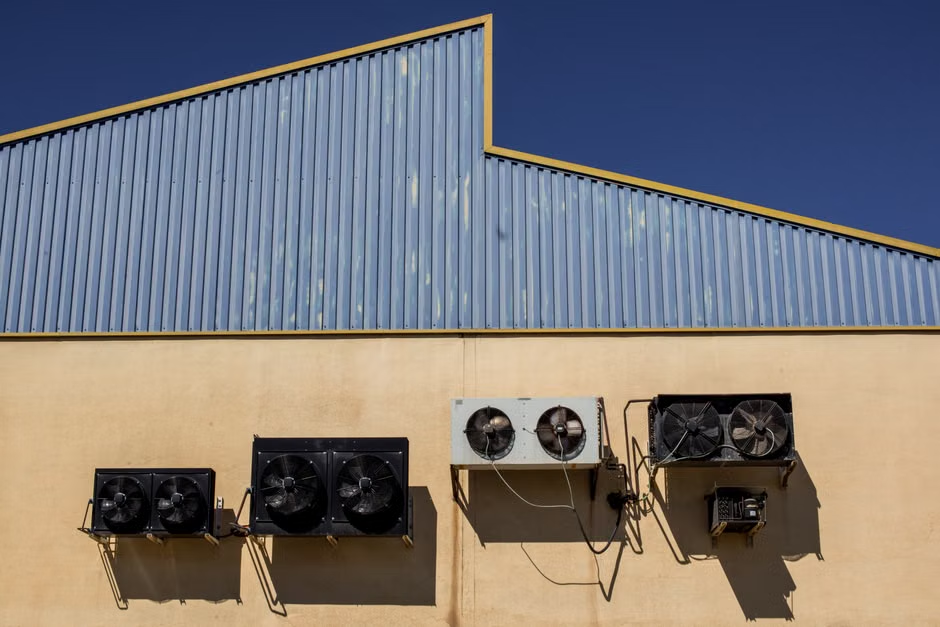
In Miami's demanding climate, your commercial heat pump works tirelessly. This constant operation, combined with environmental factors, means that signs of trouble can appear quickly. Recognizing these indicators early and understanding their root causes is crucial for timely commercial heat pump repair in Miami, FL, preventing minor issues from escalating into major disruptions.
It's tempting to ignore small changes in your HVAC system, but early detection of problems can save your business significant time and money. Here are the common signs that your commercial heat pump likely needs professional attention:
• Poor Heating or Cooling: This is often the most obvious sign. If your heat pump isn't maintaining the desired temperature, or if certain areas of your commercial space are noticeably warmer or colder than others, its heating or cooling capacity may be compromised. This could stem from refrigerant leaks, a failing compressor, or issues with the indoor or outdoor coils.
• Strange Noises: Heat pumps are designed to operate relatively quietly. Grinding, screeching, rattling, or banging sounds are red flags. These noises often indicate mechanical problems such as failing motor bearings, a loose fan blade, debris in the unit, or even a struggling compressor. Ignoring these sounds can lead to more extensive and costly damage.
• Increased Utility Costs: A sudden and unexplained spike in your energy bills is a strong indicator that your heat pump is working harder than it should be. This inefficiency can be caused by dirty coils, low refrigerant levels, a clogged air filter, or other internal component issues that force the system to consume more power to achieve the same results.
• System Won't Turn On or Frequent Cycling: If your heat pump refuses to start, or if it constantly cycles on and off (short-cycling), it's a clear sign of a problem. Short-cycling can be due to an improperly sized unit, electrical issues, a malfunctioning thermostat, or a clogged condensate drain line. A system that won't turn on could have a power supply problem, a faulty thermostat, or a critical component failure.
• Musty or Burning Smells: Foul odors emanating from your vents are never a good sign. A musty smell often points to mold or mildew growth within the ductwork or evaporator coil, particularly common in Miami's humid environment. A burning smell could indicate an electrical issue, such as overheating wires or components, which requires immediate professional inspection for safety.
• Visible Moisture or Leaks: While some condensation is normal, excessive moisture buildup around the indoor or outdoor unit, or visible water leaks, indicate a problem. This could be a clogged condensate drain line, a cracked drain pan, or a refrigerant leak, which not only affects performance but can also lead to water damage and mold growth within your property.
Miami's unique subtropical climate, characterized by high temperatures and humidity, poses significant challenges for commercial heat pump systems. These environmental factors accelerate wear and tear, making diligent maintenance and prompt commercial heat pump repair in Miami, FL all the more critical.
• High Humidity and Mold Growth: The constant high humidity strains your heat pump's ability to dehumidify the air. This can lead to excessive moisture within the system and ductwork, creating an ideal breeding ground for mold and mildew. Beyond unpleasant odors, mold can degrade air quality and impact the health of occupants. Regular inspections and proper condensate drainage are essential to combat this.
• Salt Air and Coil Corrosion: For businesses located near the coast, salt air is a relentless enemy. The corrosive particles in the air can rapidly degrade the outdoor unit's coils and other metal components. This corrosion reduces the system's efficiency, increases the likelihood of refrigerant leaks, and shortens the overall lifespan of the unit. Specialized coatings and frequent cleaning can offer some protection.
• Constant Operation and Component Wear: Unlike systems in more temperate climates that might have seasonal breaks, commercial heat pumps in Miami operate almost continuously, year-round, for cooling and dehumidification. This constant demand puts immense stress on compressors, fans, motors, and electrical components, leading to accelerated wear and tear and a higher frequency of breakdowns.
• Hurricane Season Preparedness: Miami's hurricane season brings additional risks. Strong winds can damage outdoor units, while heavy rains can lead to flooding and electrical issues. Businesses must consider system protection and post-storm inspections to ensure operational safety and efficiency.
• Power Surge Risks: Frequent thunderstorms and potential grid instability during hurricane season increase the risk of power surges. These surges can severely damage sensitive electronic controls and components within your commercial heat pump, necessitating costly repairs or replacements. Surge protectors are a wise investment for commercial systems in our area.
Commercial heat pump systems are the unsung heroes of Miami businesses, quietly maintaining comfortable and productive environments. However, these aren't your typical residential units. Their complexity, scale, and specific functions require a deeper understanding, especially when it comes to commercial heat pump repair in Miami, FL.
While both residential and commercial heat pumps share the basic principle of moving heat, their design, capacity, and operational demands differ significantly.
• System Size and Capacity: Commercial heat pumps are designed to handle much larger spaces and higher occupancy loads. They boast significantly greater cooling and heating capacities, measured in tons, compared to the smaller, residential units. This means more powerful compressors, larger coils, and greater airflow.
• Equipment Location: Residential units are typically split systems with an outdoor condenser and an indoor air handler. Commercial systems, particularly for larger buildings, often use rooftop packaged units that house all components in a single, robust enclosure. Other commercial setups might involve intricate split systems or advanced Variable Refrigerant Flow (VRF) systems.
• Complexity and Zoning: Commercial buildings frequently require sophisticated zoning capabilities to provide different temperatures in various areas simultaneously. This involves multiple thermostats, dampers, and complex control systems that are rarely found in residential setups. The intricate ductwork and control architecture demand specialized knowledge for installation, maintenance, and commercial heat pump repair in Miami, FL.
• Maintenance Requirements: Due to their constant operation and critical role, commercial heat pumps require more frequent and specialized maintenance than their residential counterparts. Preventative maintenance schedules are typically more rigorous, involving detailed inspections, cleaning, and calibration to ensure optimal performance and longevity.
• Drainage Systems: Commercial systems, especially in Miami's high humidity, generate substantial amounts of condensate. Their drainage systems are larger and more complex, requiring regular cleaning to prevent clogs, overflows, and potential water damage.
• Durability of Components: Commercial heat pumps are built with more robust components designed to withstand continuous, heavy-duty operation. This includes industrial-grade compressors, motors, and coils, which contribute to their specialized repair needs.
Beyond temperature control, commercial heat pump systems play a vital role in maintaining indoor air quality (IAQ) and proper ventilation, which is crucial for the health, comfort, and productivity of employees and customers. In Miami, where humidity is a constant concern, managing IAQ is particularly challenging.
• Filtration and Air Purification: Commercial systems incorporate advanced filtration systems, often with higher MERV ratings, to capture dust, pollen, allergens, and other particulates. Many also integrate air purification technologies, such as UV lights or ionizers, to neutralize airborne pathogens and odors, contributing to a healthier environment.
• Humidity Control: High humidity fosters mold growth and makes the air feel warmer and stickier, even at comfortable temperatures. Commercial heat pumps actively dehumidify the air as part of their cooling process. Proper maintenance ensures this function operates effectively, preventing moisture-related issues and maintaining comfort.
• Preventing Contaminant Buildup: Effective ventilation and filtration prevent the buildup of indoor air pollutants, including volatile organic compounds (VOCs) from building materials and cleaning products, carbon dioxide, and other airborne contaminants that can negatively impact cognitive function and cause respiratory issues.
• Ensuring Employee and Customer Health: Good IAQ directly translates to fewer sick days, increased productivity, and a more pleasant experience for everyone in your commercial space. Addressing IAQ concerns is an investment in your business's human capital.
• Ductwork Integrity: The ductwork distributes conditioned and filtered air throughout the building. Leaky or poorly maintained ducts can introduce unfiltered air, dust, and moisture, compromising IAQ and energy efficiency. Regular duct cleaning and inspection are essential to ensure the entire system contributes positively to indoor air quality.
When your commercial heat pump falters, it's not just an inconvenience—it's a threat to your business. Prompt, professional commercial heat pump repair in Miami, FL is paramount. Choosing the right service provider can mean the difference between a quick fix and prolonged downtime, impacting everything from employee morale to customer satisfaction and even sensitive equipment.
Selecting a reputable and skilled commercial HVAC service provider is a critical decision for any business owner. Here’s what to look for:
• Verifiable Credentials: Ensure the company employs licensed and insured technicians. Specialized training, especially with major commercial brands like Daikin, signifies a higher level of expertise. Technicians with proven experience adhere to the highest professional standards.
• Local Expertise: A provider with deep roots in Miami understands the unique challenges posed by our climate—from high humidity to salt air corrosion. They'll have practical experience dealing with issues specific to the region, allowing for more accurate diagnostics and effective repairs.
• Availability for Emergencies: Commercial heat pumps don't break down on a schedule. Look for a company that offers 24/7 emergency repair services. Minimizing downtime is crucial for business continuity, and a responsive team can get your system back online quickly, whether it's during business hours or in the middle of the night.
• Experience with Your System Type: Commercial buildings use various heat pump configurations, from rooftop packaged units to complex VRF (Variable Refrigerant Flow) systems. Ensure the technicians have specific experience repairing and maintaining your particular type of commercial heat pump.
• Strong Warranties: A reputable provider will stand behind their work. Look for companies that offer robust warranties on parts and labor, such as a 12-year parts warranty or a Comfort Promise, demonstrating their confidence in the quality of their repairs and installations.
• Transparent Communication: You deserve clear, upfront communication regarding diagnostics, recommended repairs, and any associated implications. A good provider will explain the issue in simple terms and provide options before proceeding with any work.
Here are some key questions to ask a potential HVAC provider:
• Are your technicians licensed, insured, and experienced in commercial HVAC work?
• Do you offer 24/7 emergency commercial heat pump repair in Miami, FL?
• What is your experience with our specific system, such as a rooftop unit or VRF system?
• What kind of warranties do you offer on parts and labor for commercial repairs?
• How do you ensure minimal disruption to our operations during repairs?
• Can you provide references from other commercial clients in the Miami area?
In Miami's demanding environment, preventative maintenance for your commercial heat pump isn't just a suggestion; it's an absolute necessity. It's the most effective strategy to avoid unexpected breakdowns and costly emergency commercial heat pump repair in Miami, FL.
• Extending Equipment Lifespan: Regular maintenance helps identify and address minor issues before they become major problems. By keeping components clean, lubricated, and properly aligned, you significantly reduce wear and tear, extending the overall operational life of your expensive commercial heat pump system.
• Improving Energy Efficiency: A well-maintained heat pump operates at peak efficiency. Dirty coils, clogged filters, and low refrigerant levels all force your system to work harder, consuming more energy. Routine tune-ups ensure all components are optimized, which translates directly to lower utility bills for your business.
• Reducing Surprise Breakdowns: Imagine your heat pump failing on the hottest day of the year. Preventative maintenance includes thorough inspections that can catch potential failures in advance, allowing for scheduled repairs rather than disruptive emergencies. This proactive approach minimizes downtime and maintains business continuity.
• Maintaining Indoor Air Quality: Maintenance often includes changing air filters and inspecting ductwork, which are crucial for good indoor air quality. Clean filters prevent dust, allergens, and pollutants from circulating, while clean ducts reduce the risk of mold growth, a common concern in Miami's humid climate.
• Scheduled Tune-ups: A comprehensive preventative maintenance plan typically involves several key tasks:
— Coil Cleaning: Cleaning the evaporator and condenser coils removes dirt and debris that hinder heat transfer and reduce efficiency. This is especially important for outdoor units exposed to Miami's humid and potentially salty air.
— Electrical Connection Checks: Technicians will inspect and tighten all electrical connections, ensuring safe operation and preventing potential electrical failures or fire hazards.
— Refrigerant Level Checks: Proper refrigerant levels are vital for efficient operation. Technicians will check for leaks and ensure the system has the correct charge.
— Filter Replacement: Regularly replacing air filters is one of the simplest yet most effective maintenance tasks, improving both efficiency and indoor air quality.
— Condensate Drain Cleaning: Clearing the condensate drain line prevents clogs, water overflow, and subsequent water damage or mold growth, a particularly important step in our humid climate.
Making informed decisions about your commercial heat pump system involves more than just fixing immediate problems. It's about strategically optimizing performance, maximizing energy efficiency, and leveraging modern technology for long-term value. This forward-thinking approach can significantly impact your operational demands and environmental footprint in Miami.
• Upfront Scope — Repair: Smaller, targeted fix — Replace: Larger, full system upgrade
• Long-term Performance — Repair: Limited by existing system age — Replace: Optimized with new technology
• Reliability — Repair: Variable (depends on system age/issue) — Replace: High (new components, warranty)
• Energy Efficiency — Repair: Current (original system specs) — Replace: Improved (latest technology)
• Lifespan — Repair: Extended (short-term) — Replace: New (full lifespan)
• Technology — Repair: Legacy — Replace: Smart features, advanced controls
When faced with a significant commercial heat pump repair in Miami, FL, a crucial question arises: should you repair the existing unit or invest in a new one? This decision has profound implications for your business's energy consumption and long-term operational strategy.
• Analyzing System Performance: Consider the age of your heat pump and its repair history. If your system is old, frequently breaking down, or struggling to maintain comfortable temperatures, its overall performance is likely suboptimal. Repeated repairs can become a cycle of recurring issues, sometimes exceeding the value of the unit itself.
• SEER2 and HSPF2 Ratings: These ratings measure a heat pump's energy efficiency for cooling (SEER2 - Seasonal Energy Efficiency Ratio 2) and heating (HSPF2 - Heating Seasonal Performance Factor 2). Newer heat pumps boast significantly higher ratings than older models, meaning they convert energy into heating and cooling much more efficiently. A higher rating indicates less energy consumption over the system's lifespan.
• Long-Term Value of a New System: While a new commercial heat pump is a significant upgrade, the gains in energy efficiency can provide substantial long-term value. Over time, the reduced energy consumption and improved reliability make replacement a strategically sound decision for business continuity.
• Rebates and Incentives: Various local and federal programs may offer incentives for businesses that upgrade to high-efficiency HVAC systems. Exploring these options can make upgrading to a more efficient system more accessible.
• Environmental Impact: Newer heat pump technologies often use more environmentally friendly refrigerants and operate with a smaller carbon footprint, aligning with corporate sustainability goals.
The integration of smart technology and building automation systems (BAS) is revolutionizing how commercial heat pumps are managed, offering unprecedented control, efficiency, and diagnostic capabilities.
• Smart Thermostats: Beyond simple temperature control, commercial smart thermostats offer programmable schedules, remote access via mobile apps, and learning capabilities that optimize settings based on occupancy patterns. This precise control can lead to significant energy savings.
• Building Automation Systems (BAS): A comprehensive BAS integrates your commercial heat pump with other building systems like lighting, security, and ventilation. This centralized control allows for holistic optimization, ensuring all systems work in harmony to achieve maximum efficiency and comfort.
• Remote Monitoring: Smart technology enables remote monitoring of your heat pump's performance. Technicians can access real-time data, diagnose issues from afar, and even make adjustments without an onsite visit, streamlining commercial heat pump repair in Miami, FL.
• Predictive Maintenance Alerts: Advanced BAS and smart systems can analyze performance data to predict potential component failures before they occur. This allows for proactive maintenance, preventing unexpected breakdowns and extending the life of your equipment.
• Real-time Performance Data: Access to real-time data on energy consumption, operating temperatures, and system diagnostics empowers business owners and facility managers to make data-driven decisions about system optimization, energy management, and future investments.
• Florida Building Code Compliance: When implementing smart technology, ensure that all installations and modifications comply with the latest Florida Building Code regulations, particularly concerning energy efficiency and safety standards.
By understanding these principles and partnering with experienced HVAC professionals specializing in Daikin products, businesses in Coconut Grove, Coral Gables, Country Walk, Cutler Bay, Homestead, Kendale Lakes, Kendall, Lakes By the Bay, Palmetto Bay, and Pinecrest can ensure their commercial heat pump systems operate efficiently, reliably, and effectively for years to come.