How to Survive an HVAC Breakdown Without Losing Your Cool
August 17, 2026
What to do when your HVAC breaks down unexpectedly is something every South Florida homeowner needs to know — because in Miami's relentless heat, a failed AC isn't just uncomfortable, it can become dangerous fast. Whether your system went silent at midnight or stopped cooling during a scorching April afternoon, the first few minutes after a breakdown matter more than you might think.
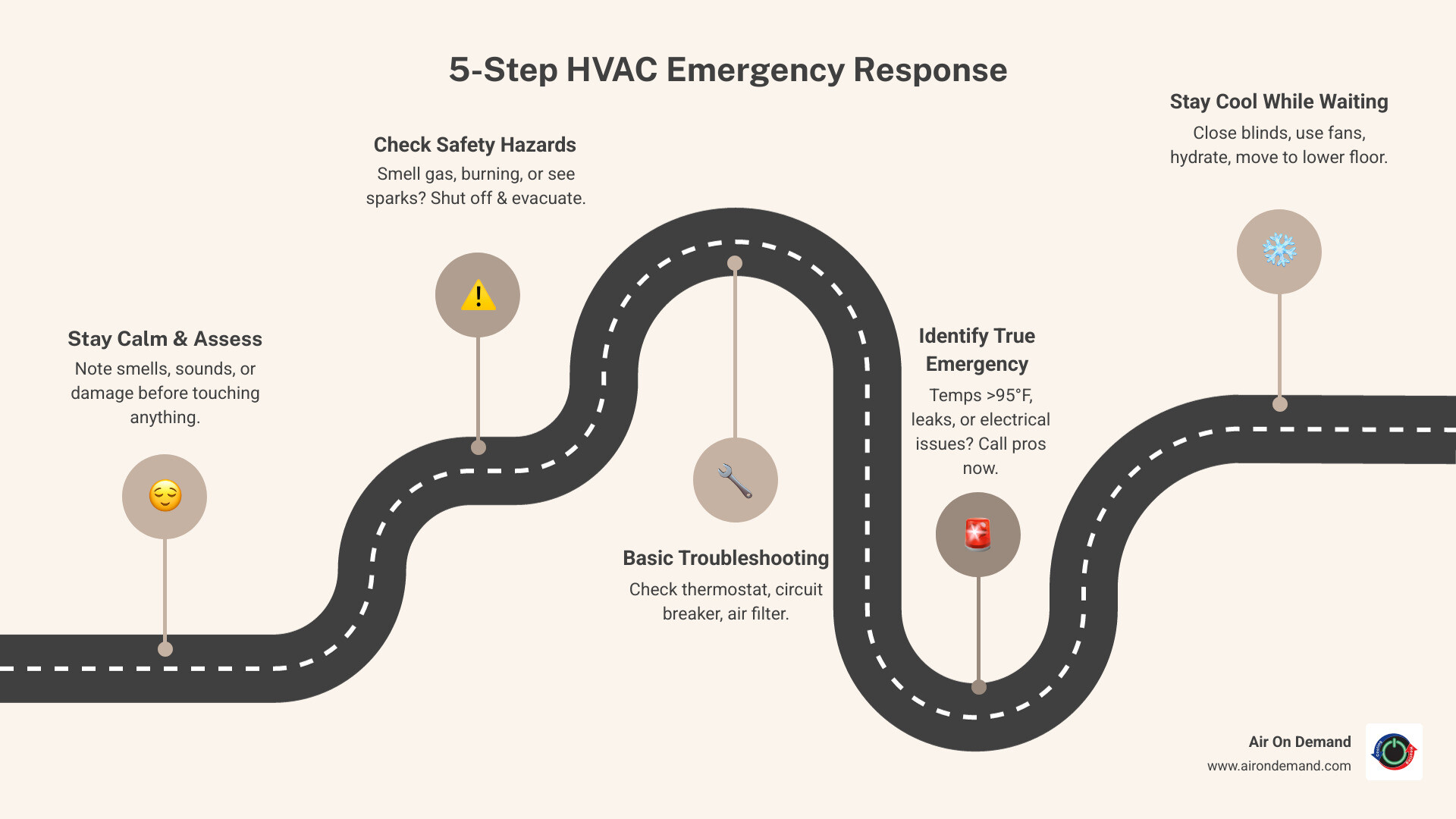
Here's a quick overview of what to do right now:
1. Stay calm and assess - Note any unusual smells, sounds, or visible signs of damage before touching anything.
2. Check for safety hazards first - If you smell gas, burning, or see sparks, shut the system off and get everyone out.
3. Try basic troubleshooting - Check your thermostat settings, inspect the circuit breaker, and look at your air filter.
4. Determine if it's a true emergency - Indoor temps above 95°F, refrigerant leaks, or electrical issues require immediate professional help.
5. Stay cool while you wait - Close blinds, use fans, hydrate, and move to the lowest level of your home.
According to industry data, 70% of homeowners experience an HVAC breakdown during peak seasons — exactly when they need their systems the most. In a climate like South Florida's, that's not just an inconvenience. It's a health risk, especially for young children, elderly family members, and pets.
This guide walks you through every step — from the moment your system fails to the moment cool air is flowing again.
What to do when your hvac breaks down unexpectedly word roundup:
• emergency hvac repair what to expect
• when an hvac failure is a true emergency
When your system fails, your first instinct might be to start poking around the unit to find a quick fix. However, safety must always come first. HVAC systems are complex machines involving high-voltage electricity, pressurized refrigerants, and, in some cases, gas lines.
The most critical step in knowing what to do when your hvac breaks down unexpectedly is recognizing when the situation is hazardous. If you notice a "rotten egg" smell, this indicates a potential gas leak. In this scenario, do not flip any light switches or use your phone inside. Evacuate immediately and call your gas provider from a safe distance.
If you detect an acrid, "burning plastic" odor or see smoke, your HVAC system has electrical problems. Electrical shorts can lead to house fires if the system continues to receive power. Turn the system off at the thermostat and the main electrical breaker right away.
Visible sparks or arcing wires are also major red flags. If you see these, do not attempt to touch the unit. Understanding emergency HVAC repair: what to expect means knowing that a professional technician has the tools and training to handle these high-risk components safely. Until help arrives, keep children and pets away from both the indoor air handler and the outdoor condenser unit.
Before you pick up the phone for an emergency dispatch, there are a few simple checks that could save you time and stress. It is surprisingly common for a "broken" system to actually be a victim of a simple setting error or a dead battery.
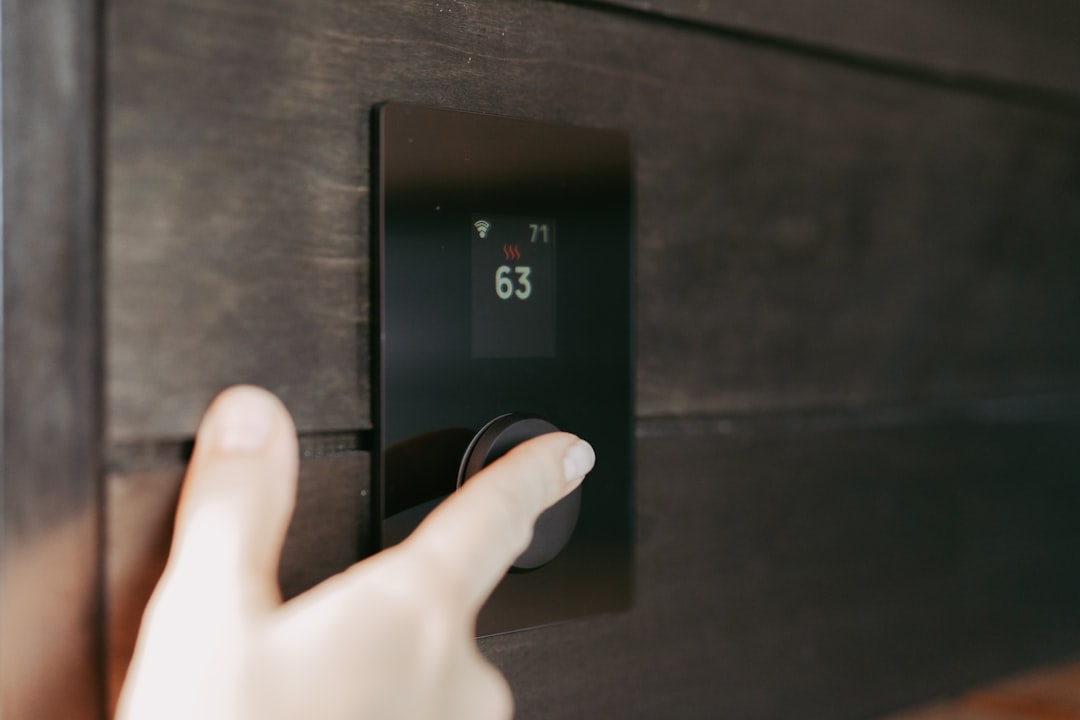
Start with your thermostat. It is the brain of your cooling system, and if it loses power, the whole system goes dark. Check the display; if it’s blank, try replacing the batteries. If the screen is on, ensure it is set to the "Cool" mode (or "Heat" if it’s a rare chilly night in April 2026) and that the temperature setting is at least five degrees below the current room temperature.
Sometimes, DIY thermostat troubleshooting reveals that a programmable schedule was accidentally changed or a child bumped the screen. Ensure the fan is set to "Auto" rather than "On" if you notice the system blowing air but not cooling, as "On" keeps the fan running even when the compressor is off.
If the thermostat seems fine but the unit won't kick on, head to your electrical panel. High-power appliances like air conditioners can occasionally draw too much current, causing a breaker to trip. Look for a switch that is stuck in the middle or flipped to "Off." Flip it all the way to "Off" and then back to "On" once. If it trips again immediately, do not force it. This indicates a serious electrical fault that requires a professional. Why is my air conditioner tripping the circuit breaker? is a question often answered by a failing compressor or a short circuit, both of which are safety hazards.
Next, check your air filter. A severely clogged filter can restrict airflow so much that the system overheats and shuts down as a safety precaution. If you hold your filter up to the light and can't see through it, it needs to be replaced.
Finally, take a quick walk outside to your condenser unit. In our South Florida environment, palm fronds, grass clippings, or wind-blown debris can clog the unit’s fins, causing it to overheat. Clear away any obstructions to ensure your system can "breathe" properly.
Not every breakdown requires a 2 AM service call, but in the heat of Coconut Grove or Kendall, many do. Deciding whether you can wait until morning or need help immediately depends on several factors, primarily the safety of your household.
• System is noisy but still cooling — True HVAC Emergency: Indoor temperatures exceeding 95°F
• One room is warmer than the others — True HVAC Emergency: Burning smells, smoke, or sparks
• Slight increase in humidity — True HVAC Emergency: Vulnerable occupants (infants, elderly, or ill)
• Small, slow water drip near the drain — True HVAC Emergency: Hissing sounds (potential refrigerant leak)
• Thermostat batteries are low — True HVAC Emergency: Total system failure during a heatwave
Understanding what qualifies as an HVAC emergency is vital for your family's health. In Miami, temperatures can soar quickly. When the indoor air becomes stagnant and hot, it puts a massive strain on the body.
If your indoor temperature is climbing toward the 95°F mark, you are in the "danger zone." This is especially true if you have infants, elderly family members, or pets, as they cannot regulate their body temperatures as efficiently as healthy adults. Heatstroke can happen indoors during a South Florida breakdown.
Another reason to call for emergency AC repair in Miami is the presence of a refrigerant leak. If you hear a hissing sound or see ice forming on the copper lines or the indoor evaporator coil, your system is likely leaking refrigerant. This chemical is essential for cooling, but it is also hazardous and can damage your compressor—the most expensive part of your system—if left to run while low.
Additionally, significant water leaks should not be ignored. If your condensate drain line clogs and the safety float switch fails, water can back up and cause thousands of dollars in property damage to your floors and ceilings. When you face these issues, you need a provider with 24/7 availability who can respond before a small problem becomes a total catastrophe.
Once you’ve done your troubleshooting and called for professional help, the goal is to stabilize your home’s environment. Depending on the time of day and the current weather in places like Palmetto Bay or Cutler Bay, your home can heat up by several degrees every hour.
First, block the heat at the source. Close all blinds, curtains, and shutters, especially on the sun-facing sides of your house. This prevents the "greenhouse effect" from baking your living spaces.
Next, focus on air movement. While fans don't actually lower the temperature of a room, they create a wind-chill effect on your skin, helping you feel significantly cooler. If it happens to be cooler outside than inside—which can occur late at night—open windows on opposite sides of the house to create cross-ventilation.
Here are more emergency HVAC repair tips for South Miami-Dade homeowners:
• Stay Hydrated: Drink plenty of water and avoid caffeine or alcohol, which can dehydrate you.
• Migrate Downward: Heat rises. If you have a multi-story home, move your family and pets to the lowest floor.
• Use Cold Compresses: Placing a cold, damp cloth on your neck, armpits, or wrists can help lower your core body temperature.
• Limit Appliance Use: Avoid using the oven, dishwasher, or clothes dryer, as these generate significant internal heat.
• Seek Cooling Centers: If the heat becomes unbearable, consider heading to a local mall, library, or a friend’s house until the technician arrives.
While knowing what to do when your hvac breaks down unexpectedly is important, the best strategy is to ensure it doesn't happen in the first place. Statistics show that homeowners who invest in regular maintenance are 50% less likely to face an emergency breakdown.
The simplest thing you can do is change your air filter every 30 to 90 days. In South Florida, where our systems run almost year-round, we recommend checking them monthly. A dirty filter is the leading cause of system "suffocation," leading to frozen coils and motor failure.
Scheduling an HVAC maintenance Miami guide visit twice a year allows a technician to catch small issues before they become 2 AM emergencies. During a tune-up, we check refrigerant levels, tighten electrical connections, and clear out the condensate drain line.
Pay attention to warning signs throughout the year. If you hear strange grinding, squealing, or banging noises, your system is trying to tell you something. Learning how to prevent major air conditioning repair often involves simply listening to your unit. If the air feels more humid than usual or your energy bills are spiking for no apparent reason, your system’s efficiency is dropping, and a breakdown may be imminent.
Finally, consider the age of your system. Most HVAC units in Florida last between 10 and 15 years. If your system is approaching that "middle-aged" mark, it may be more prone to unexpected failures.
A true emergency is any situation that threatens the safety of your home or the health of its occupants. This includes total system failure during extreme heat (especially with seniors, infants, or pets present), electrical smells or sparks, gas leaks, or major water leaks that threaten to damage your property.
If everyone in the home is healthy and the indoor temperature is manageable (below 85°F), you might choose to wait until normal business hours. However, if there are safety risks like burning smells or if the temperature is rising rapidly, it is better to call for emergency service immediately to prevent heat-related illness or further system damage.
First, check the power. If the screen is blank, change the batteries. If the screen is on but the system won't start, check your settings to ensure it’s in "Cool" mode. You can also try a "reset" by turning the system off at the breaker for 60 seconds and then back on. If the thermostat display shows an error code, note it down for your technician.
Facing a sudden AC failure in South Florida is a stressful experience, but you don't have to navigate it alone. By following these safety and troubleshooting steps, you can protect your home and family while help is on the way.
At Air On Demand, we are more than just a repair service; we are your local South Florida comfort partners. As Daikin specialists, we bring world-class technology to your doorstep in Coconut Grove, Coral Gables, Kendall, and Palmetto Bay. Our technicians are highly trained to handle everything from minor glitches to major system overhauls with speed and transparency.
We understand that when your AC goes out, every minute counts. That’s why we offer convenient online booking and real-time updates, so you know exactly when your technician will arrive. Plus, with the Daikin 12-year parts warranty and our Comfort Promise, you can rest easy knowing your investment is protected for the long haul.
Don't let the Miami heat win. If you're currently dealing with a breakdown or want to prevent the next one, reach out to us today.