
The Goldilocks Zone: Sizing Your AC for the Sunshine State
August 17, 2026
How a properly sized system handles South Florida summers comes down to one thing: balance. Not too big, not too small — just right for your home's specific heat and humidity load.
Here's a quick answer if you're short on time:
A properly sized AC in South Florida:
• Runs in steady 15-20 minute cycles to remove both heat and moisture from the air
• Keeps indoor humidity between 30-60% even when it's 90°F+ outside
• Avoids short-cycling, which leaves air feeling cool but clammy
• Matches your home's actual cooling load — not just its square footage
• Lasts longer and costs less to run because it's never working harder than it needs to
If you've ever walked into your Kendall or Pinecrest home and felt that sticky, damp air despite the AC running, you already know the problem. The system is on, the temperature reads 74°F, but something still feels off. That "cool but clammy" feeling is one of the most common signs of an improperly sized AC unit in South Florida — and it's more than just uncomfortable. It can lead to mold growth, higher energy bills, and a system that wears out years before it should.
South Florida's climate is unforgiving. Miami-Dade summers combine intense solar heat with humidity levels that rival a tropical rainforest. That combination creates a dual challenge that most of the country simply doesn't face: your AC has to fight both temperature and moisture at the same time. Getting the size wrong — in either direction — means your system loses that battle every single day.
In this guide, we'll walk you through exactly what proper AC sizing means for homes in Kendall, Palmetto Bay, Cutler Bay, and the surrounding communities, and why getting it right is the single most important decision you can make for your home's comfort and efficiency.
Discover more about how a properly sized system handles south florida summers:
• When Constant AC Running Signals a Problem
• Why Your AC Runs Constantly in South Florida
In HVAC, "size" doesn't refer to the physical dimensions of the outdoor unit sitting in your yard. Instead, it refers to the system’s cooling capacity, measured in BTUs (British Thermal Units) or tons. One ton of cooling equals 12,000 BTUs per hour.
For many years, contractors used a "rule of thumb" based solely on square footage — often suggesting one ton for every 500 to 600 square feet. However, in May 2026, we know that this approach is outdated and often inaccurate for the unique architecture of South Miami-Dade. A home in Coral Gables with 10-foot ceilings and original windows has a much different cooling need than a modern, airtight home in Kendale Lakes.
To get it right, we use the Manual J load calculation. This is the industry-standard "math" that accounts for every factor affecting heat gain in your home, including:
• Total square footage and, more importantly, total air volume (ceiling height).
• The number, type, and orientation of your windows.
• Insulation levels in your attic and walls.
• The number of occupants and heat-generating appliances.
Understanding Humidity And Air Conditioning In Miami Fl is the foundation of this calculation. Without a precise Manual J, you are essentially guessing, which can lead to a decade of discomfort.
The primary job of an air conditioner in places like Homestead or Cutler Bay isn't just to lower the temperature; it’s to act as a giant dehumidifier. As warm, moist air passes over the cold evaporator coil, the moisture condenses into water and drains away.
A properly sized system is designed to run long enough to complete this process. According to the Sterling Chart, healthy indoor relative humidity (RH) should stay between 30% and 60%. When a system is sized correctly, it achieves this balance during its normal 15-20 minute cycles. If the cycle is too short, the air gets cold, but the moisture stays trapped in your living room. Regular Spring Ac And Hvac Maintenance For South Miami Dade ensures your coils stay clean enough to handle this heavy moisture load effectively.
In HVAC terms, we talk about two types of "load":
1. Sensible Load: This is the heat you can feel and measure with a thermometer. It’s the "temperature" of the air.
2. Latent Load: This is the energy required to remove water vapor (humidity) from the air.
In South Florida's "tropical swamp" conditions, the latent load is massive. A system that only focuses on sensible cooling will leave your home feeling like a cold, wet basement. How a properly sized system handles south florida summers is by balancing these two loads, ensuring the air is both crisp and dry.
It is a common myth that a larger AC unit will cool your home faster and better. In reality, an oversized system is one of the worst investments a homeowner can make. When a unit is too powerful for the space, it reaches the thermostat’s setpoint almost instantly and shuts off. This is called short-cycling.
Short-cycling prevents the system from ever reaching the "dehumidification phase" of its cycle. The result? A "clammy" home where the air is 72°F, but your skin feels sticky, and your floors might even feel damp. This excess moisture is a recipe for microbial growth and mold, and the constant starting and stopping puts immense strain on the compressor, leading to frequent Common Summer Ac Problems. Furthermore, Hvac System Sizing Avoiding Co and other safety concerns are often linked to poorly planned installations.
If you aren't sure if your system is sized correctly, look for these symptoms:
• Cycle Length — Oversized System: Short (5-8 minutes) — Undersized System: Constant (runs 24/7)
• Indoor Feel — Oversized System: Cold but clammy/sticky — Undersized System: Warm and humid
• Humidity — Oversized System: Frequently above 60% RH — Undersized System: High due to lack of capacity
• Energy Bills — Oversized System: High due to startup power surges — Undersized System: High due to non-stop operation
• Temperatures — Oversized System: Uneven (hot/cold spots) — Undersized System: Consistently above setpoint
Think of your AC like a sponge. To soak up the humidity in a room, the sponge needs time to sit in the water. An oversized unit is like a sponge that is dipped in and pulled out in a split second. It gets the surface wet, but it doesn't actually remove the bulk of the water. Because the unit cools the air so rapidly, it satisfies the thermostat before the evaporator coil has time to pull significant moisture out of the air. This trapped moisture stays in your ducts and on your carpets, creating an environment where dust and allergens thrive.
During a July heat wave in Palmetto Bay, outdoor temperatures can easily exceed 90°F with a "feels like" index of 105°F. How a properly sized system handles south florida summers during these peaks is by design.
Engineers use "design temperatures" — for Miami, this is typically around 92°F. A system is sized to maintain a 75°F indoor temperature when it is 92°F outside. This means that on the hottest days of the year (the "1% design condition"), your AC should run almost continuously. This isn't a sign of failure; it's a sign that the system is perfectly matched to the maximum heat gain of your home. By running longer cycles of 15-20 minutes or more, it provides maximum dehumidification when you need it most. You can find more tips on Surviving The Summer Heat Wave to help your system through these peaks.
Efficiency and sizing go hand-in-hand. Air conditioners account for approximately 12% of total electricity use in U.S. households, but in South Florida, that number is often much higher.
As of 2026, efficiency standards like SEER2 (Seasonal Energy Efficiency Ratio 2) are critical. In the Southeast, the minimum standard is 14.3 SEER2. However, a high SEER2 rating won't save you money if the unit is oversized. An oversized high-efficiency unit will still short-cycle, wasting the energy-saving benefits of the technology. Proper sizing ensures you actually see the savings promised by Miami Air Conditioning Installation Tip Why Seer ratings.
One of the best ways to handle the fluctuating heat of South Florida is with variable-speed or multi-stage technology, such as Daikin’s inverter systems.
• Single-stage systems are either 100% "on" or "off."
• Variable-speed systems can adjust their cooling output to match the exact needs of the home.
On a "mild" 82-degree morning in Coconut Grove, a variable-speed system might run at 30% capacity, providing a slow, steady stream of dehumidified air. When the afternoon sun hits, it ramps up to 100%. This prevents short-cycling and maintains a consistent, comfortable environment without the temperature swings of traditional units.
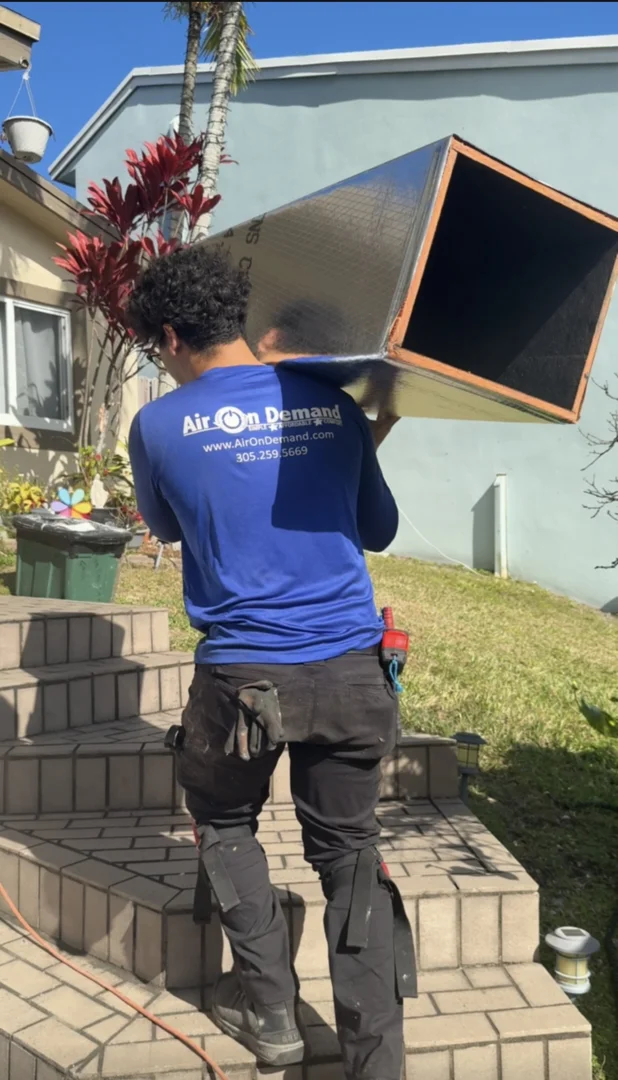
When we evaluate a home in Pinecrest or Country Walk, we look beyond the walls. The "thermal envelope" of your home determines how much heat enters and stays inside.
A 4-ton unit (48,000 BTUs) is generally suitable for homes between 1,800 and 2,400 square feet. However, if your ductwork is leaky, you could be losing 20-30% of your conditioned air to the attic. In that case, even a 5-ton unit wouldn't keep you cool.
Instead of buying a bigger AC to compensate for poor insulation or leaky ducts, it is always better to fix the home's efficiency first. Miami Ac Tip Sizing Ductless Air Conditioning Sy can also be a great solution for specific rooms that always seem warmer than the rest of the house, like a converted garage or a sunroom.
Volume matters more than floor space. A 2,000-square-foot home with 12-foot vaulted ceilings has significantly more air to cool than the same floor plan with 8-foot ceilings.
Orientation is also a major factor. In South Florida, south- and west-facing windows receive intense solar radiation for the majority of the day. A home with large, unshaded west-facing windows will have a much higher cooling load in the afternoon than an identical home facing north. We take all these factors into account to How To Extend The Life Of Your Ac In South Florida by ensuring the system isn't constantly redlining to fight solar gain.
It is a professional mathematical formula used to determine exactly how many BTUs of cooling your home needs. It considers your home’s construction materials, window types, insulation, local climate data, and even the direction your house faces. It is the only way to ensure your system is perfectly sized.
On an extremely hot day, it is normal for a properly sized AC to run for 20-30 minutes at a time, or even continuously during the hottest part of the afternoon. As long as it is maintaining your desired temperature and the humidity is low, it is doing exactly what it was designed to do.
No. Efficiency (SEER2) and capacity (Sizing) are two different things. A high-efficiency unit that is too large will still short-cycle, leading to high humidity and premature wear. You must get the size right first to enjoy the benefits of high efficiency.
How a properly sized system handles south florida summers is the difference between a home that is a sanctuary and a home that feels like a swamp. By moving away from "rules of thumb" and embracing precision engineering, you can ensure your home stays cool, dry, and energy-efficient for years to come.
At Air On Demand, we specialize in helping homeowners in Coconut Grove, Coral Gables, Kendall, and throughout South Miami-Dade find their "Goldilocks Zone." As Daikin specialists, we offer the industry-leading Comfort Promise and 12-year parts warranties, giving you peace of mind that your investment is protected.
Don't guess when it comes to your family's comfort. Whether you need a new installation or want to evaluate your current system's performance, we are here to help. How To Choose The Right Air Conditioning Install is about more than just picking a brand; it's about picking a partner who understands the Miami climate.
Schedule your professional sizing evaluation and maintenance today and experience the difference that a perfectly sized system makes.